From a Facebook page to your own website: when is it time?
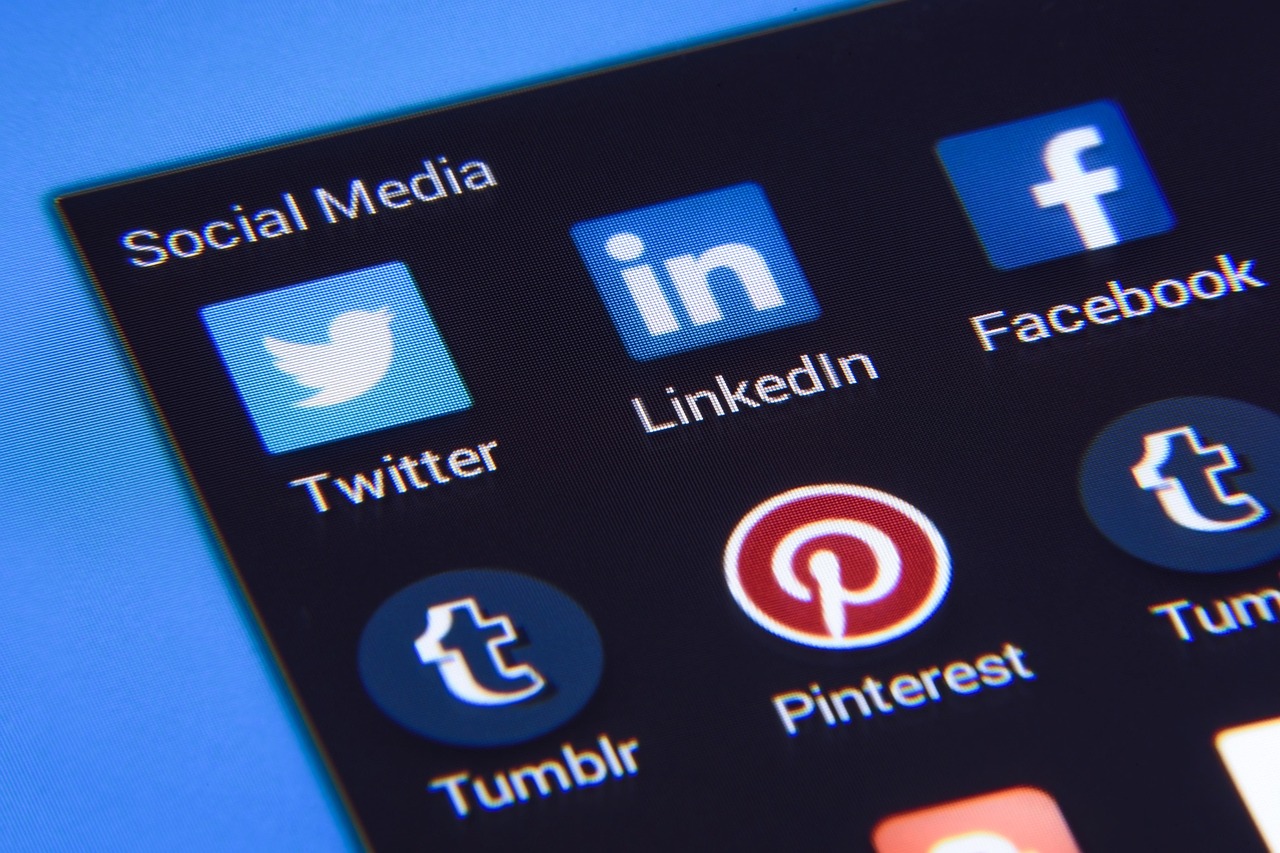
Many businesses in Bangladesh begin with a Facebook page, and it is a great way to start. It costs little, the buyers are already there and you can sell quickly. But as orders grow, a page and an inbox become hard to manage. This guide shows when it is time to move from a Facebook page to your own website, what changes, and how to move step by step without losing a single customer.
The limits of selling only on a Facebook page
A Facebook page is like a rented shop. The buyers are there, but the rules belong to Facebook. Reach can drop, the account can run into problems, and every order has to be written down by hand.


Photo: LoboStudioHamburg / Pixabay
The signs that you need a website now
If several of these sound familiar, it is time to look beyond the page.
1. Orders get lost in the inbox
With many messages a day, it is hard to tell real orders from price questions. Some orders are missed, and the buyer gives up and buys elsewhere.
2. Answering the same questions again and again
What is the price, is my size available, what is the delivery charge: the same questions every day. On a website, the product page answers them before the buyer asks.
3. You cannot tell where the ad money went
Boosting brings messages, but matching them to sales is hard. With the Facebook Pixel on your own website, you can see which ads actually bring orders.
4. New buyers hesitate to trust you
A tidy website on your own domain makes new buyers more confident, especially for higher-priced products.
5. Wholesale or overseas buyers are asking
Wholesalers, corporate buyers and buyers abroad usually want to see the whole catalogue in one place. Scrolling through page posts does not give them that.
- Many orders a day, and some get lost
- Too much time spent answering the same questions
- Ad spend is rising but the results are unclear
- Many products that are hard to find in posts
- You want new buyers to trust you more
If three or more apply, it is time to plan a website.
A website does not mean closing the page
Some owners think a website makes the page unnecessary. It is the opposite. Buyers find you and talk to you on the page, and on the website they see everything and order with confidence. The two together work best.
| Facebook page only | Page plus your own website | |
|---|---|---|
| Taking orders | In the inbox, written by hand | Through checkout, saved automatically |
| Product information | Scattered across posts | A page for every product |
| Payment | Sending numbers manually | bKash, Nagad and cash on delivery on the site |
| Ad results | Estimated | Measured to the sale with the Pixel |
| Ownership | Under Facebook's rules | Your domain and your data |
Which pages the website should have
Even a small shop needs a few key pages. They cut down questions and build trust.
- Home page: new arrivals, offers and best-sellers.
- Categories: shirts, panjabis, sarees, or however your products divide.
- Product pages: several clear photos, price, sizes, fabric or materials, and stock status.
- Delivery and returns: charges, timing and the return rules, written plainly.
- Contact: phone, WhatsApp and a link to your Facebook page.
- About us: the shop's story and address if you have one. New buyers check this before trusting you.
Ways to bring page buyers to the website
At first, buyers will be used to ordering in the inbox. These habits help shift them:
- When you reply with a price, add the product's website link.
- Offer a small discount or free delivery on website orders.
- Pin a post on the page saying "all products in one place" with the website link.
- Include an order-tracking link in the order confirmation message or SMS.
Which platform to build on
For most sellers coming from Facebook there are two paths: WooCommerce and Shopify. WooCommerce has no monthly dollar bill and bKash or Nagad are easy to add, so it suits a small budget. Shopify needs less upkeep but charges a monthly subscription. The full comparison is in Shopify Bangladesh or WooCommerce. Whichever you choose, keep the domain in your own name, so buyers still find you at the same address even if you change platform later.
How to move, step by step
There is no need to change everything in one day. This order keeps every customer:
- Start with best-sellersUpload your most popular products first, not the whole range
- Set up payment and courierbKash, Nagad, cash on delivery and courier connection
- Link from the pageAdd the website to the page button, posts and auto-replies
- Add the PixelMeasure sales from ads from the very start
- Add the restBring in the full catalogue once orders begin
Cost and time
My e-commerce website package costs Tk 15,000 to Tk 25,000, and a typical shop is ready in 7 to 10 days. The price depends on the number of products and features. For the full breakdown, read how much an e-commerce website in Bangladesh costs.

In short
A Facebook page is enough to start. When orders get lost, the same questions repeat and ad results are unclear, it is time for your own website. Keep the page, add the website, and move step by step.
FAQ
Should I close my Facebook page once I have a website?
No. Buyers find you on the page and order on the website. Keeping both works best.
Can I start a website with only a few products?
Yes. Start with your best-sellers and add the rest later.
Can the website offer cash on delivery?
Yes, along with bKash and Nagad.
Will I be able to run the website myself?
Yes. You are shown how to add products, see orders and change prices.
Will a website increase my sales by itself?
A website does not bring buyers on its own; your page, ads and regular link sharing bring them there. What it does is stop lost orders, make your records clear and help new buyers trust you.